October 30, 2026
Is Pressure Cleaning Safe for Solar Panels on Your Roof?
By @devinkaht192
Solar panels are a common sight across Lake Macquarie, from Belmont and Charlestown to Toronto, Morisset and Swansea. With so many homes generating their own power, a common question follows: can you pressure clean a roof with solar panels, and is it safe to clean the panels themselves? The short answer is that high-pressure cleaning is generally not recommended directly on solar panels, but panels can be cleaned safely with the right methods, and the surrounding roof can often be cleaned with care.
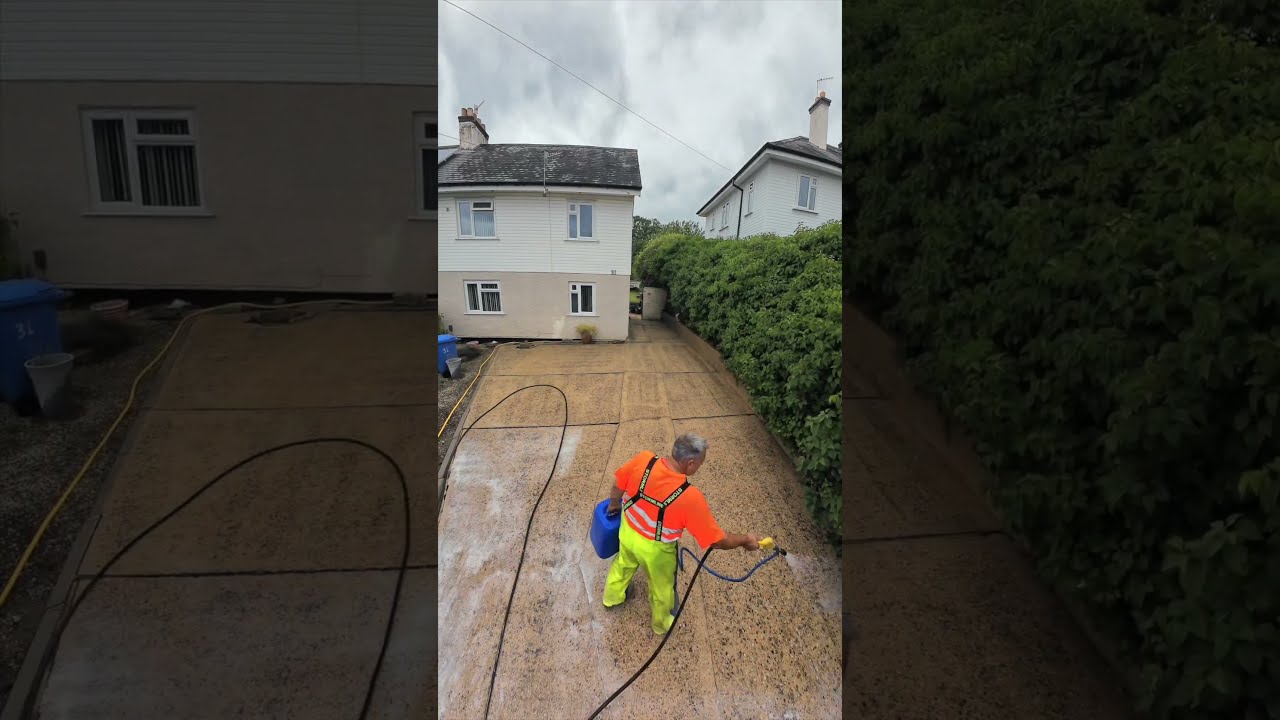
Why High Pressure and Solar Panels Don't Mix
Solar panels are durable, but they are not designed to withstand the concentrated force of a pressure cleaner. Most panels are made from tempered glass with an anti-reflective coating, aluminium frames, rubber or silicone seals, and sensitive electrical connections. Each of these components can be affected by aggressive cleaning.
Risk of Microcracks
Intense water pressure can cause microcracks in the cells beneath the glass. These are often invisible to the naked eye but can reduce energy output over time and create hot spots that shorten the life of the panel.
Damage to Seals and Frames
Forcing water at high pressure toward the edges of a panel can push moisture past the seals. Once water gets inside the laminate, it can lead to corrosion, delamination and electrical faults.
Coating Damage
The anti-reflective coating on the glass helps panels absorb more sunlight. Harsh pressure, abrasive tools or strong chemicals can wear this coating down and reduce efficiency.
Warranty Concerns
Many manufacturers specify approved cleaning methods in their warranty documents. Using high-pressure equipment or unapproved chemicals may void your warranty. Check your panel documentation or contact the manufacturer before any cleaning is carried out.
Safety Risks of Working on a Roof with Solar
Beyond damage to the panels, there are genuine safety considerations. Wet glass is extremely slippery, and working at height is one of the leading causes of serious injury in home maintenance. In New South Wales, work at height is regulated under WHS laws, and professionals are expected to use appropriate fall protection and safe work procedures.
Solar systems also involve electrical components. While panels produce low-risk power during the day, DC wiring, isolators and junction points should never be sprayed directly with water. Any cleaning around these areas needs to be done carefully to avoid water ingress.
Can the Roof Around Solar Panels Be Pressure Cleaned?
In many cases, yes. Roof tiles and Colorbond sheeting around solar arrays can be cleaned, provided the technician takes the right precautions. A careful operator will:
- Keep the spray angle and pressure well away from panel edges, cabling and mounting rails
- Avoid blasting water underneath or behind the panels
- Use lower-pressure or soft washing techniques on areas close to the array
- Protect inverters, isolators and conduits from direct water spray
- Use appropriate roof harnesses and safe access equipment
If the roof is heavily covered in moss, lichen or algae near the panels, a soft wash approach is often the safest option. It relies on low pressure combined with a suitable cleaning solution rather than force.
How to Clean Solar Panels Safely
Solar panels usually need only gentle cleaning. The most widely accepted approach involves:
- Checking manufacturer guidelines for approved cleaning methods and products.
- Cleaning in the early morning or late afternoon when panels are cool, since cold water on hot glass can cause thermal stress.
- Using soft brushes or microfibre cloths on a water-fed pole, with low-pressure water.
- Using clean, preferably deionised or low-mineral water to reduce streaking and residue.
- Avoiding abrasive pads, harsh detergents and solvents that can scratch or degrade coatings.
- Allowing panels to air dry or gently rinse away any remaining residue.
Local Factors in Lake Macquarie
Lake Macquarie's coastal and lakeside environment creates specific cleaning challenges. Homes near the lake or ocean often collect salt spray, which can leave a film on panels and encourage https://lorenzolrhw193.clarionvale.com/posts/concrete-sealing-after-pressure-washing-is-it-really-worth-it corrosion on fittings. Leafy suburbs with plenty of native trees can see heavy build-up of leaves, bark, pollen and bird droppings. Humid conditions also encourage mould, algae and lichen on roofing materials close to the array.

Dust and ash from nearby bushfire activity, as well as pollen during spring, can also reduce output. In many cases, regular rain helps rinse panels, but it does not remove stubborn residues like bird droppings, salt crust or greasy films.
How Often Should Solar Panels Be Cleaned?
For most Lake Macquarie homes, an inspection and clean once or twice a year is sufficient. Homes close to the water, under trees, or with low-tilt panels where debris settles may benefit from more frequent attention. Dirty panels can lose a noticeable percentage of their output, although the exact figure depends on the type and level of soiling. If you notice a drop in generation that cannot be explained by weather or season, a check of both cleanliness and system health is worthwhile.
What to Look for in a Professional Cleaner
When hiring someone to clean a roof with solar panels, ask a few key questions:
- Do they have experience working around solar installations?
- Do they use soft washing or low-pressure techniques near panels?
- Are they fully insured, including public liability cover?
- Do they follow safe work at height practices?
- Will they follow your panel manufacturer's cleaning guidelines?
Final Thoughts
Pressure cleaning is not a safe way to clean solar panels, but gentle, correctly planned cleaning can help maintain efficiency and extend the life of your system. The roof surrounding the panels can often be treated using low-pressure or soft wash methods, as long as the technician avoids panel edges, wiring and electrical equipment. For Lake Macquarie homeowners, the best approach is to confirm manufacturer guidelines, choose an experienced cleaner familiar with solar installations, and avoid DIY roof work where safety is a concern. Doing so protects your investment, your warranty and your personal safety in 2026 and beyond.
Lake Macquarie Pressure Cleaning Pros
2/396 Pacific Hwy, Belmont North NSW 2280
(02) 4011 6922
❧